Sending company and brand
Share your registered company name, website and the brand name customers should see in the message.
Sending login, sign-up or account recovery codes to mainland China mobile numbers (+86)? Tell Bumpcube what you need to send. We’ll review your use case and explain what you need for registration.
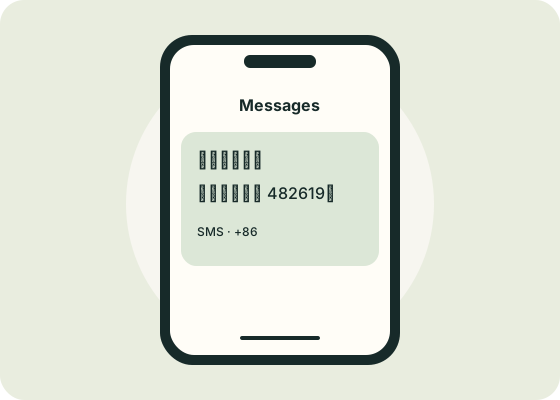
A message can be blocked if its brand name or wording differs from what was approved. The brand name in brackets is called the sender signature. The approved wording is called the message template.
【示例品牌】您的验证码是 {code}。
The brand name and wording stay the same. The {code} placeholder is replaced with a new verification code for each request. Bumpcube can help you prepare the draft for review.
Share your registered company name, website and the brand name customers should see in the message.
Tell us what triggers the code, such as sign-in or account recovery. If you already have an SMS template, share it with the code replaced by a placeholder.
Tell us roughly how many verification texts you expect to send each month.
Use Chinese characters only in your sender signature. Leave out digits, spaces and symbols. Choose a name you can support with company, trademark or ICP filing records. Bumpcube will confirm the required length, bracket format and supporting documents.
Draft a short message in Simplified Chinese with a placeholder for the code. Leave out links, contact details and IP addresses. Once approved, keep the wording, spacing and punctuation as registered. Bumpcube will advise on any restrictions for your industry.
For registration, prepare your mainland China business licence and the Chinese national ID and mobile number of your authorised employee in mainland China. If you use a trademark as your sender signature instead of your registered business name, you’ll also need the trademark certificate. Bumpcube will guide you through the paperwork and explain how to submit it securely.
Once the sender and template are approved, we’ll help you plan a test with mainland China mobile numbers. Check how quickly codes arrive and whether users can complete verification before increasing volume.
Eligibility depends on the sending company and use case. Tell Bumpcube where your company is registered and what the codes are for. We’ll review eligibility and explain what documents you may need.
Start with Simplified Chinese. English-only messages and signatures may be filtered or rejected. Share your draft with Bumpcube and we’ll advise on the language, signature format and code placeholder.
Send the revised wording or brand name to Bumpcube before using it. Changes to fixed text, signature or variable placement may require a new approval.
If your China OTPs aren’t arriving, tell Bumpcube which networks are affected and share any delivery errors. We can help review the sender setup, template and delivery results.
Request a quote with the details from Step 1. We’ll quote the SMS rate and explain any registration fees or minimum commitments that apply.